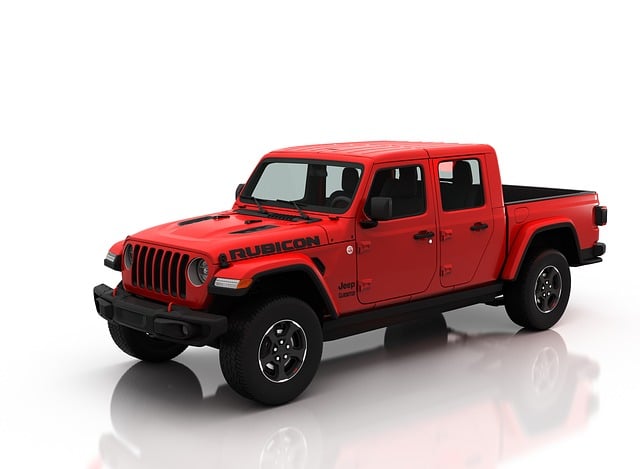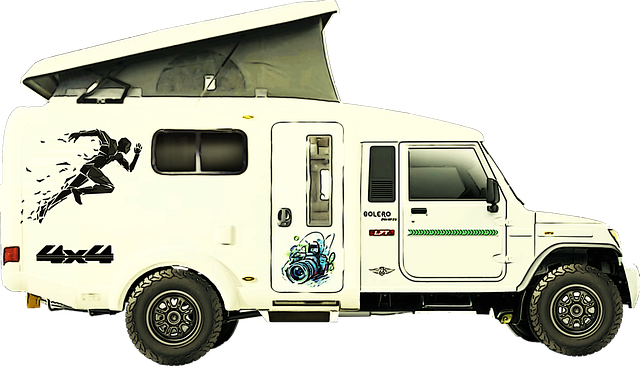


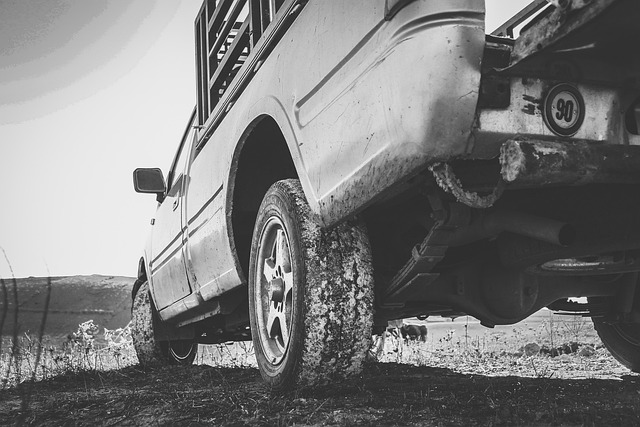





Brownsville-4WD-Explorers is a community of off-road enthusiasts who embrace the thrill of exploring remote landscapes and challenging terrain in their four-wheel-drive (4WD) vehicles. This passionate group has a deep connection with nature and a desire to push the boundaries of their vehicles’ capabilities. A crucial component that enhances their off-road adventures is the receiver hitch, a versatile accessory that opens up a world of possibilities for towing and mounting various gear. In this article, we delve into the world of receiver hitches, exploring their significance for Brownsville-4WD-Explorers and how they contribute to memorable outdoor experiences.
Understanding Receiver Hitches: A Key to 4WD Accessories
What is a Receiver Hitch?
A receiver hitch, also known as a towing hitch or a class III hitch, is a robust attachment system designed to fit specific vehicles equipped with a receiver tube in the bed of their pickup trucks or SUVs. It consists of a ball mount that secures a trailer or accessory, allowing for the safe transport of cargo, camping equipment, or even off-road recovery gear.
Why are They Essential for 4WD Explorers?
For Brownsville-4WD-Explorers, receiver hitches offer numerous advantages, making their adventures more enjoyable and efficient:
-
Versatility: With a receiver hitch, members can tow small trailers, carry heavy gear, or attach specialized off-road recovery equipment like winches and recovery racks.
-
Accessibility: Many 4WD explorers frequent remote locations, and a receiver hitch allows them to transport essential supplies and tools conveniently.
-
Safety: Properly installed hitches ensure the safe towing of accessories, preventing accidents and damage to both the vehicle and the attached equipment.
-
Customization: Brownsville-4WD-Explorers can choose from various hitch types, sizes, and mounting options to match their specific vehicle and towing needs.
Types of Receiver Hitches: Options for Every Explorer
The market offers a wide array of receiver hitches, each designed to cater to different requirements. Here’s an overview of common types:
1. Standard Receiver Hitches
These are the most basic and commonly used hitches, featuring a fixed ball mount with a shank that slides into the receiver tube. They are suitable for light-duty towing and mounting simple accessories. Standard hitches are known for their simplicity and affordability.
2. Swing-Away Hitches
Swing-away hitches offer a unique advantage by allowing the ball mount to swing away from the receiver tube when not in use. This design provides easier access to the vehicle’s bed and is ideal for those who frequently need to attach and detach accessories.
3. Electrichock Hitches
Electrichock hitches provide an advanced solution with electric actuation, allowing for easy and secure coupling and uncoupling. These hitches are popular among those seeking convenience and hands-free operation, especially when dealing with heavy equipment.
4. Customized Hitches
Brownsville-4WD-Explorers can also opt for customized hitches, designed and built to meet specific requirements. These may include unique mounting configurations, higher load capacities, or specialized features tailored to individual exploration needs.
Choosing the Right Receiver Hitch for Your 4WD
Selecting the appropriate receiver hitch is crucial for ensuring a safe and enjoyable off-road experience. Here are some factors to consider:
-
Vehicle Compatibility: Ensure the hitch fits your vehicle’s make, model, and year. Check for the presence of a receiver tube in your truck or SUV bed.
-
Towing Capacity: Understand your vehicle’s towing limit and choose a hitch with a load capacity that matches or exceeds your intended cargo.
-
Accessories Compatibility: Consider what accessories you plan to tow or mount. Some hitches are designed for specific uses, such as heavy-duty winches or small trailers.
-
Installation Ease: Some hitches are easier to install than others. Consider your comfort level with DIY installation or consult a professional for a secure fit.
-
Quality and Construction: Opt for a reputable brand known for its quality and durability. Check reviews and ratings to ensure a reliable hitch.
Installation and Safety Guidelines
Proper installation is paramount for the safe operation of a receiver hitch. Here’s a step-by-step guide to ensure a secure setup:
-
Preparation: Ensure your vehicle’s bed is clean and free of debris. Check the receiver tube for any damage or debris.
-
Hitch Selection and Placement: Position the hitch in the center of the receiver tube, ensuring it aligns with the mounting points.
-
Secure Mounting: Use the provided hardware (nuts, bolts) to secure the hitch firmly. Tighten according to the manufacturer’s specifications.
-
Wiring (if applicable): For electric hitches, connect the wiring harness to your vehicle’s electrical system, ensuring proper grounding.
-
Test and Adjustment: After installation, test the hitch’s operation, including the locking mechanism and any electrical controls.
Safety Tips:
- Always refer to the manufacturer’s instructions for specific guidelines.
- Never exceed the hitch’s rated towing capacity.
- Regularly inspect hitches and associated hardware for signs of wear or damage.
- Ensure proper weight distribution for stable towing.
- Keep emergency equipment, such as a spare tire and recovery gear, readily accessible when towing.
Maximizing Your 4WD Adventures with Receiver Hitch Accessories
Receiver hitches open up a world of possibilities for enhancing your off-road experiences:
-
Trailer Towing: Explore new areas by towing small trailers with camping gear, providing a comfortable base for your adventures.
-
Winches and Recovery Gear: Attach powerful winches for off-road recovery or carry recovery racks for extra equipment.
-
Camping and Outdoor Kitchen: Set up a mobile camp with a small kitchen, complete with a fridge and cooking supplies, for extended stays in the wilderness.
-
Water and Fuel Storage: Transport additional water and fuel containers, ensuring you’re prepared for remote locations.
-
Equipment Mounting: Secure tools, tools, and other gear directly to the hitch for easy access.
FAQ: Answering Common Questions
Q: How do I know what size receiver hitch I need?
A: The size of the receiver hitch (measured in class) depends on your vehicle’s towing capacity and the accessories you plan to use. Start by assessing your needs and consult your vehicle’s owner manual for recommendations.
Q: Can I install a receiver hitch myself?
A: Many receiver hitches can be installed by enthusiasts with basic tools and mechanical skills. However, for complex installations or to ensure a secure fit, professional help is recommended.
Q: Are there any maintenance requirements for receiver hitches?
A: Regular inspection is crucial. Check for loose connections, corrosion, and wear on hardware. Keep the hitch clean and consider lubricating moving parts as per the manufacturer’s advice.
Q: Can I use a receiver hitch for everyday driving?
A: While receiver hitches are designed for off-road adventures, many models are legal for on-road use. However, ensure that your hitch does not obstruct your vehicle’s lighting or other safety features.
Q: What should I consider when choosing a hitch brand?
A: Look for reputable brands known for their quality and customer support. Read reviews, check warranty periods, and ensure the brand offers parts and service for ongoing maintenance.
Conclusion: Embracing the Wilderness with Receiver Hitches
Brownsville-4WD-Explorers represent a community of adventurers who seek to conquer the wild with their four-wheel-drive vehicles. Receiver hitches are not just accessories; they are the key that unlocks a world of possibilities, allowing these explorers to transport their dreams and explore with confidence. With the right hitch and accessories, they can tackle challenging trails, recover from off-road incidents, and create unforgettable memories in nature’s embrace.
By understanding the various types of receiver hitches, choosing the right fit for their vehicles, and adhering to safety guidelines, Brownsville-4WD-Explorers can maximize their off-road experiences. These enthusiasts continue to push boundaries, inspired by the freedom and adventure that receiver hitches bring to their 4WD journeys.